Work and learning are changing faster than education systems can adapt. MCMC 2027 asks how micro-credentials can help people, institutions, and policymakers keep up with change and uncertainty.
AI, new ways of working, and geopolitical tension are changing jobs and learning fast. People need to update their skills throughout their working lives. And they need that learning recognised wherever they go next. Micro-credentials are designed for this.
Europe is moving from voluntary principles towards firmer rules on micro-credentials and digital credentials. But rules alone won’t build trust.
Micro-credentials only work if providers, employers, public authorities, civil society and learners trust each other. Too often, they still work apart. MCMC 2027 brings them together to ask how micro-credentials can keep pace with change – at work, in quality and recognition systems, in digital infrastructure, and for those at risk of being left behind.
Join us, and add your voice to a conversation that keeps moving forward – meet people who understand your challenges.
We’re heading to Graz, Austria on 23 – 25 March 2027. FH JOANNEUM will host and co-organise the 5th Micro-credentials Masterclass.
Graz is Austria’s city of knowledge. Its oldest university dates back to 1585, and today the city is home to four universities. It’s a fitting stage for a masterclass on skills and micro-credentials.
Around the conference, ride the Schlossbergbahn funicular up to the Schlossberg, home to the 16th-century Bell Tower. Fancy a thrill? Inside the Schlossberg, the world’s tallest underground slide drops 64 metres in 40 seconds – or faster. Let’s slide into MCMC 2027!
Graz’s old town became a UNESCO World Heritage Site in 1999, and Eggenberg Palace joined it in 2010. For something more modern, visit the Kunsthaus Graz, nicknamed the “friendly alien” by locals.
We think you’ll enjoy discovering Graz during your stay.
Sign in with the email address you used to register
MCMC 2027 themes
+ MC Studio
Micro-credentials and the workplace
Learning increasingly happens alongside work. AI and new business models are changing roles faster than employers can hire for them. Micro-credentials can help, but only if employers help design them and trust the results.
Will employers still value credentials when AI can spot and develop skills in everyday work?
How can learning at work count when people go back to education?
Who should invest, and who benefits?
+ MC Studio
Recognition and quality
A micro-credential is only worth what others are willing to recognise. Countries are adding micro-credentials to their national qualifications frameworks and quality assurance systems. So the question now is how to recognise them across institutions and borders.
What can we learn from European Universities alliances testing joint credentials and mutual recognition?
How do we keep credentials honest at scale when AI makes cheating in unsupervised tests easier?
Who should be allowed to issue micro-credentials?
+ MC Studio
Inclusion and access
People with the fewest qualifications often face the biggest risk from change. They are also the least likely to keep learning. Micro-credentials can lower barriers by recognising prior learning, but only if inclusion is built in from the start.
How can migrants and refugees get their skills recognised?
What works for adults with few qualifications, older workers and people with disabilities?
What separates initiatives that open doors from those that add new barriers?
+ MC Studio
Digital credentials and standards
Digital credentials let verified skills move across borders, sectors and systems. Three EU initiatives are set to change how that works: the proposed Skills Portability Act, the EU Digital Identity Wallet and European Digital Credentials for Learning.
What will the new rules mean for issuers, employers and learners?
How do European and global standards fit together?
How can institutions and learners stay in control of their credentials as systems scale up?
Micro sessions and MC Studios - interactive peer learning
Each theme has its own micro sessions and MC Studios.
Micro sessions are short, sharp and thought-provoking, such as case studies, live demos or peer exchanges.
MC Studios provide room for deeper interaction through workshops, problem-solving exercises or hands-on activities.
Both formats are open to all levels of experience, and participants lead them for their peers. By you, for you.
Know something about micro-credentials that others need to hear? Propose a session for Graz, 23–25 March 2027. We review proposals as they arrive, so send yours early.
MCMC 2027 will be our fifth edition, continuing a tradition that began in 2019.
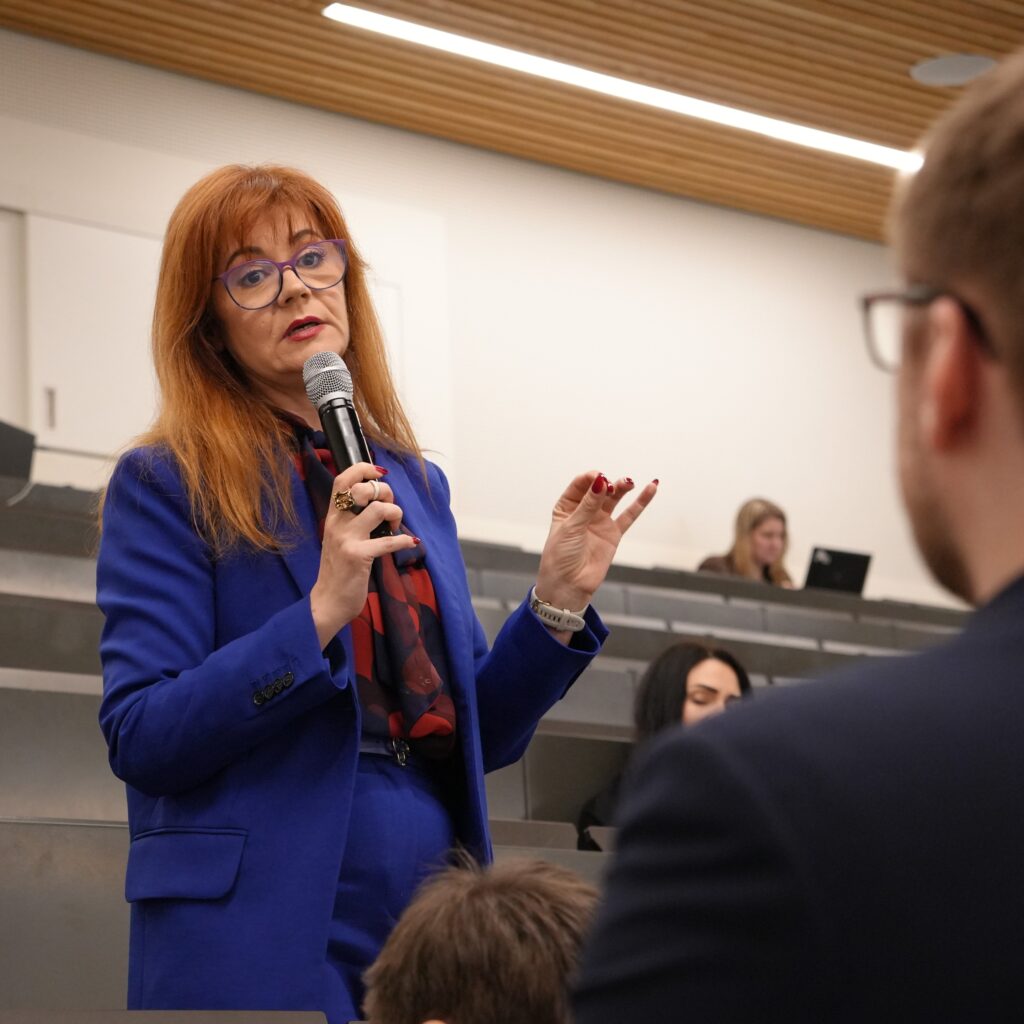
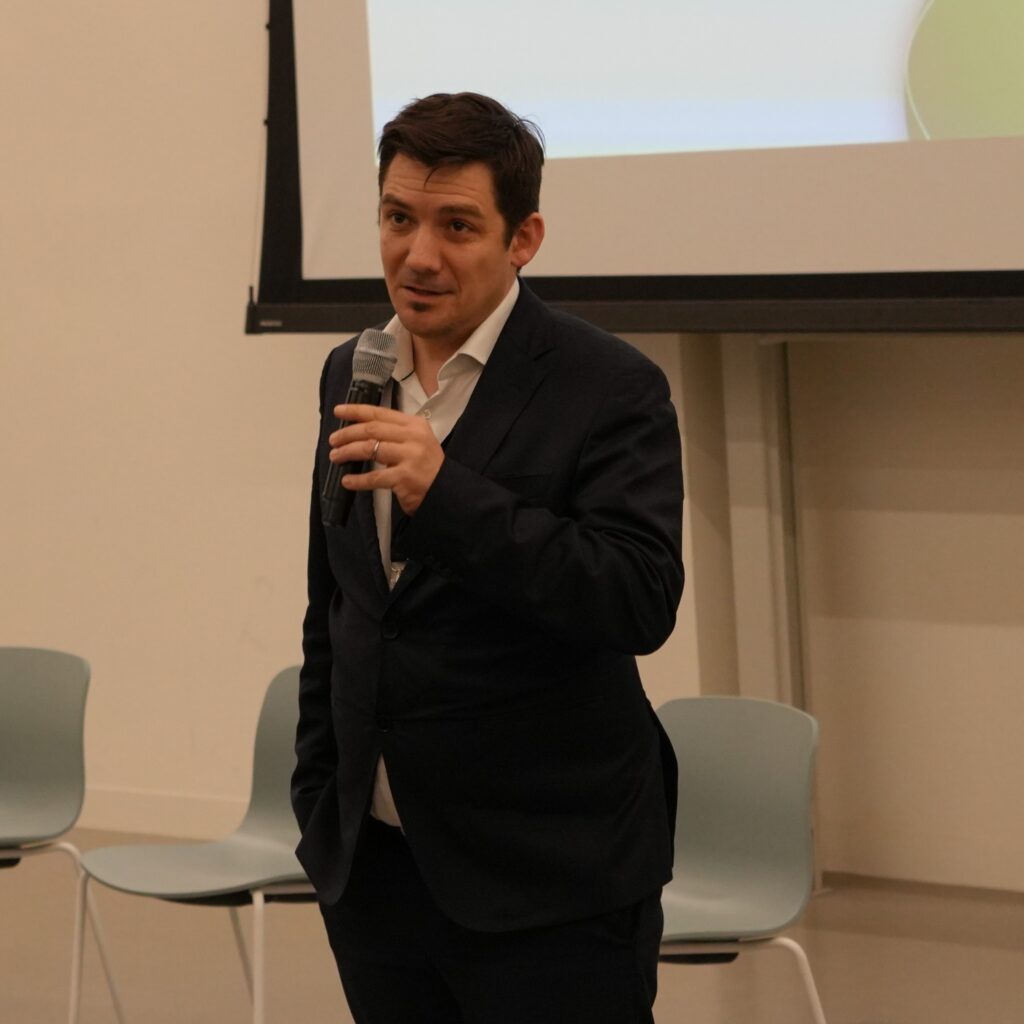
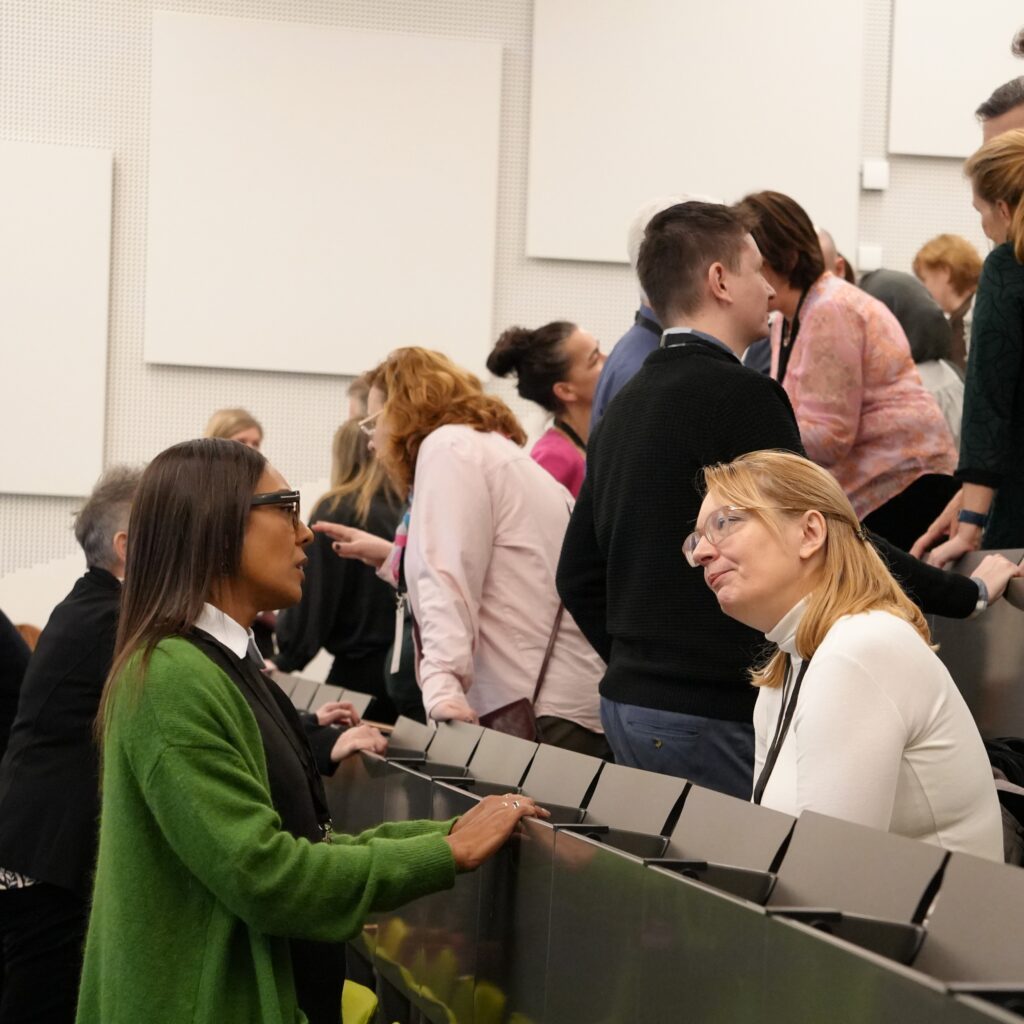
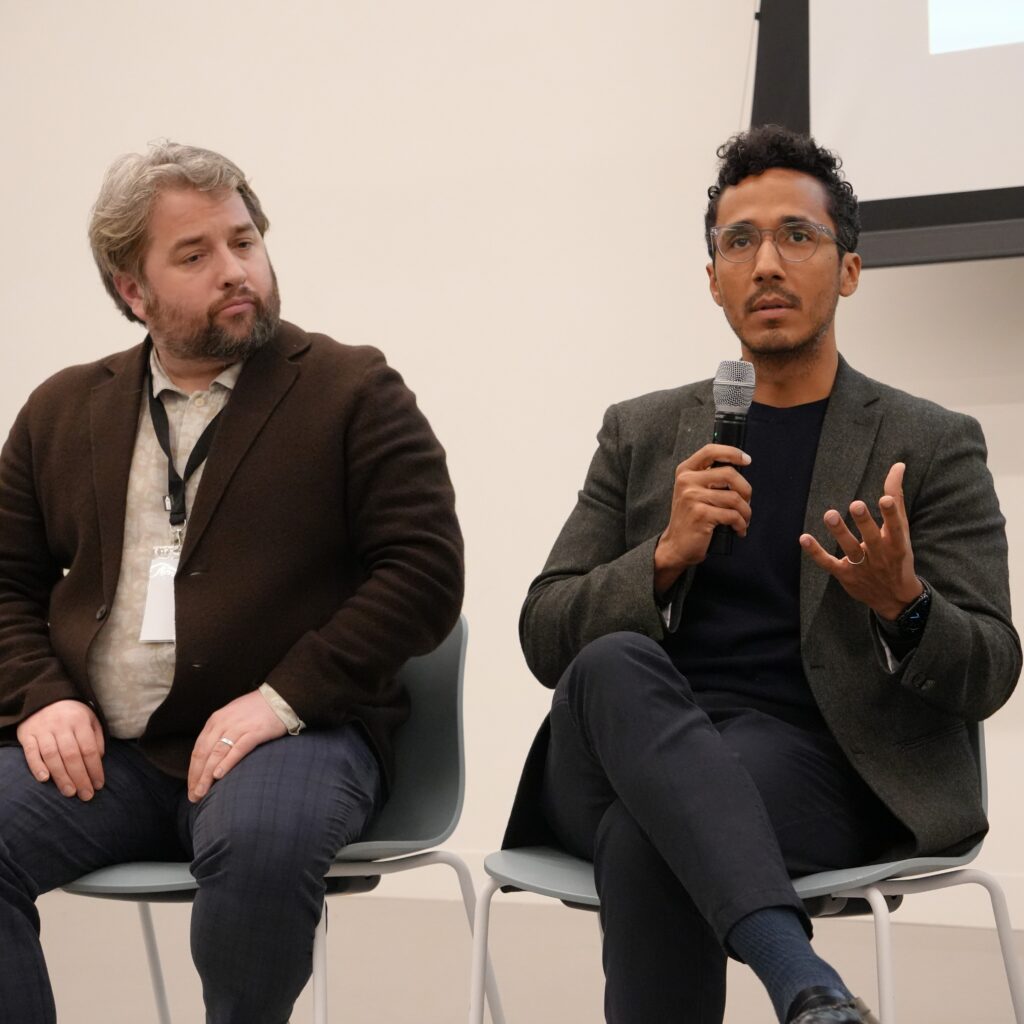
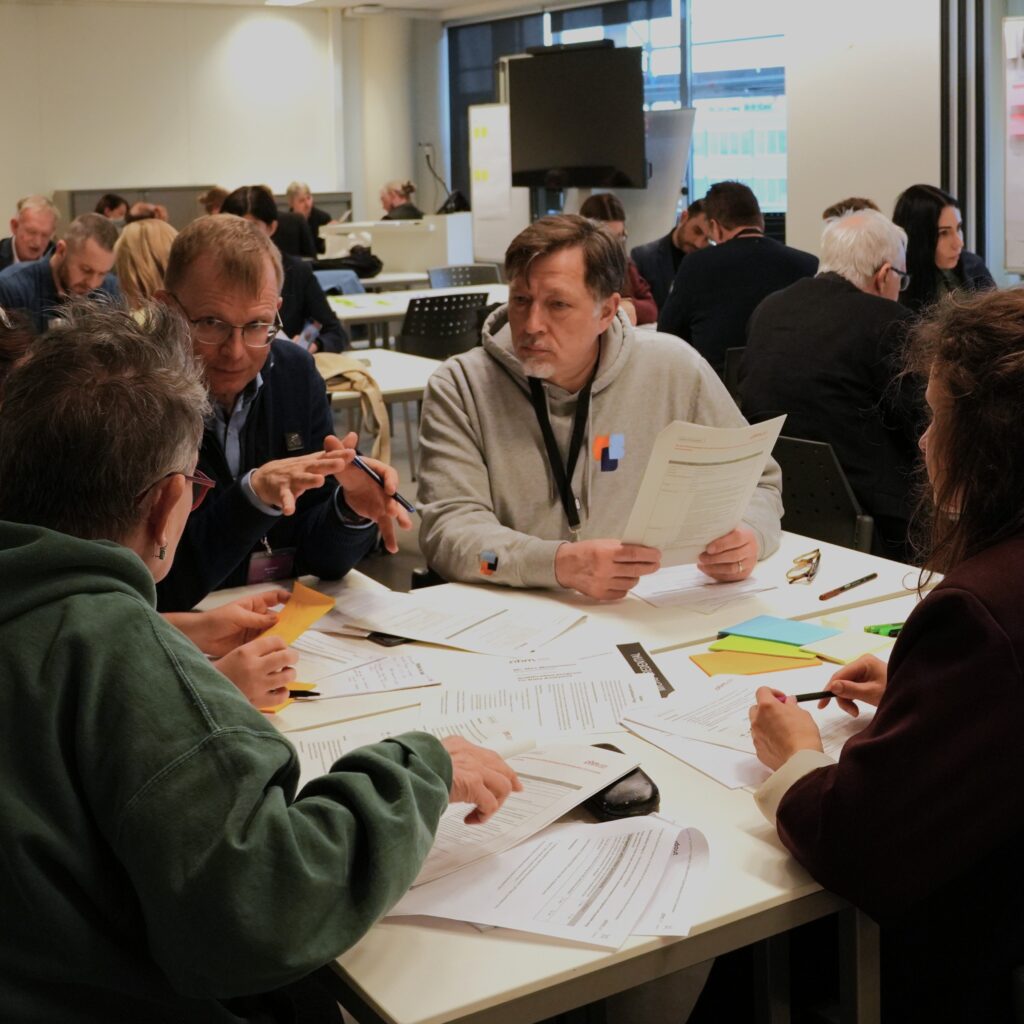
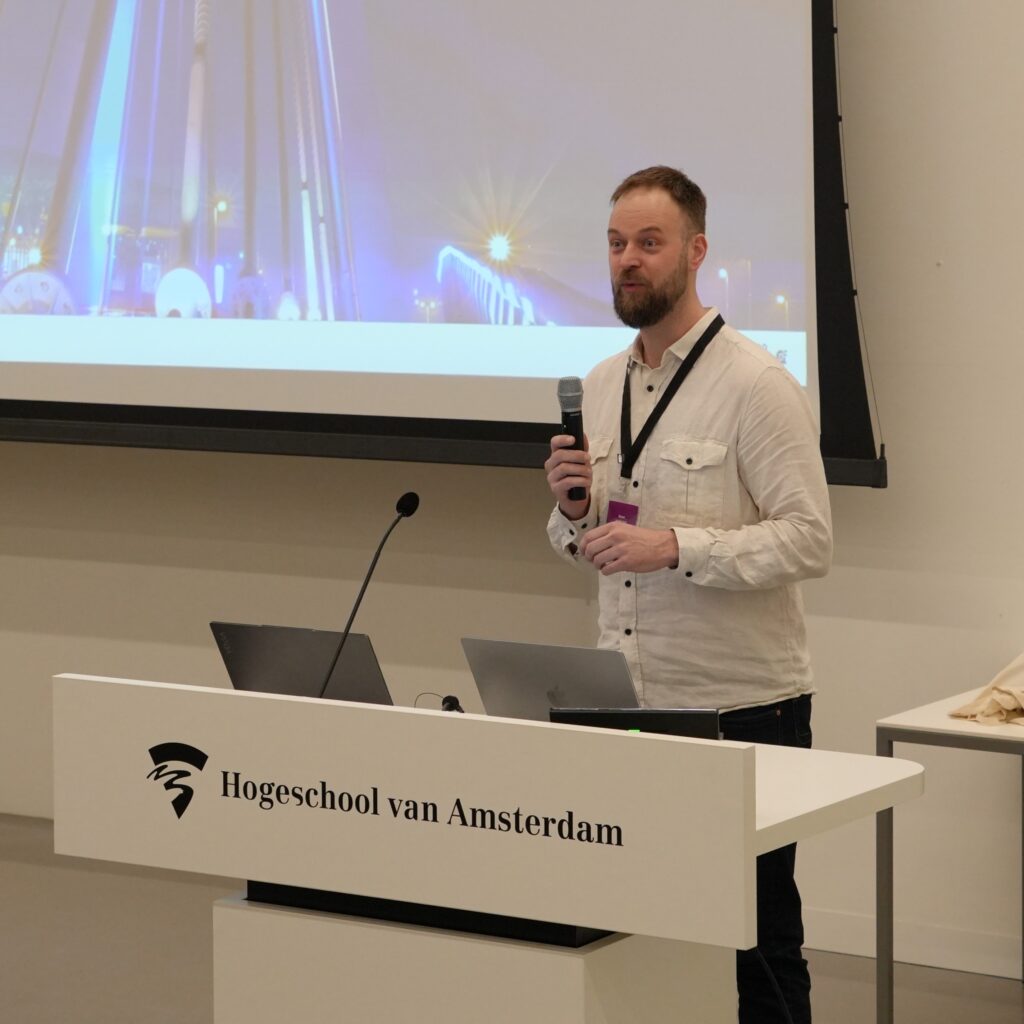
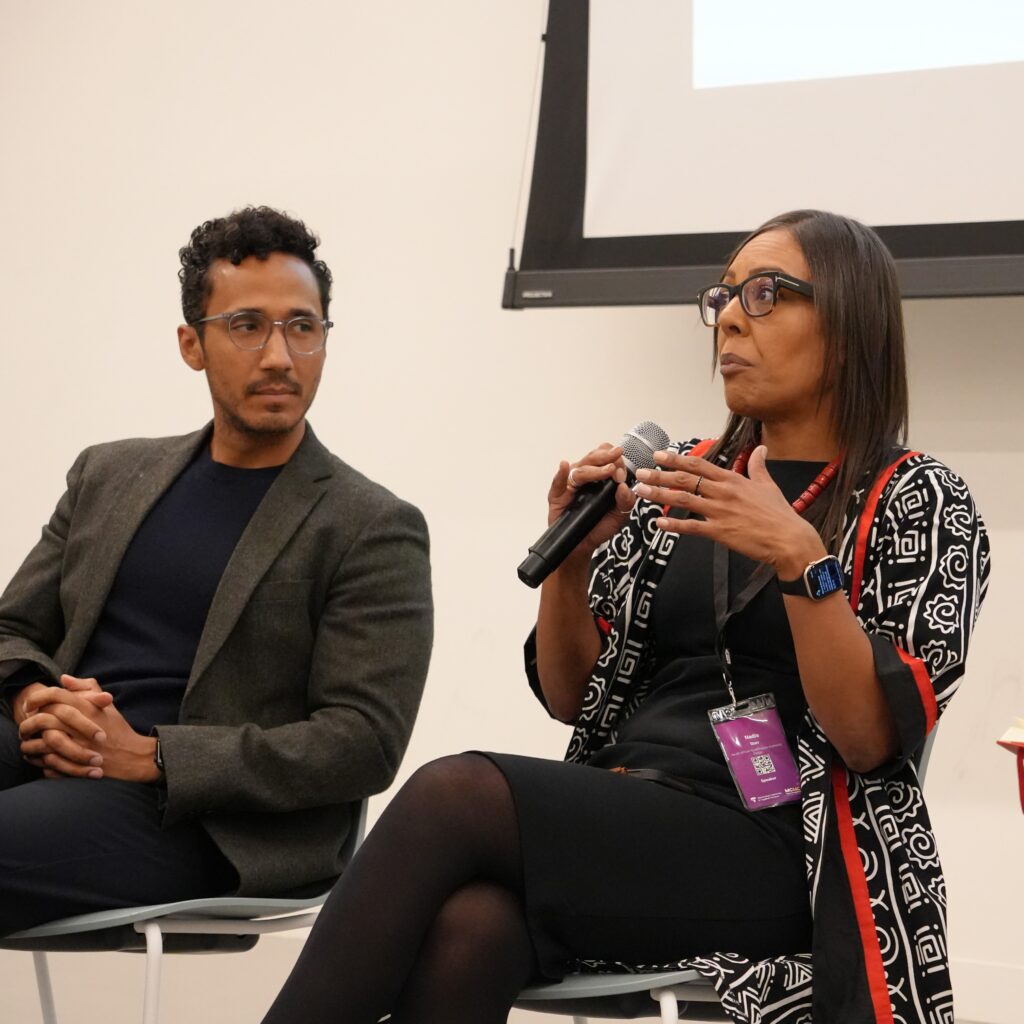
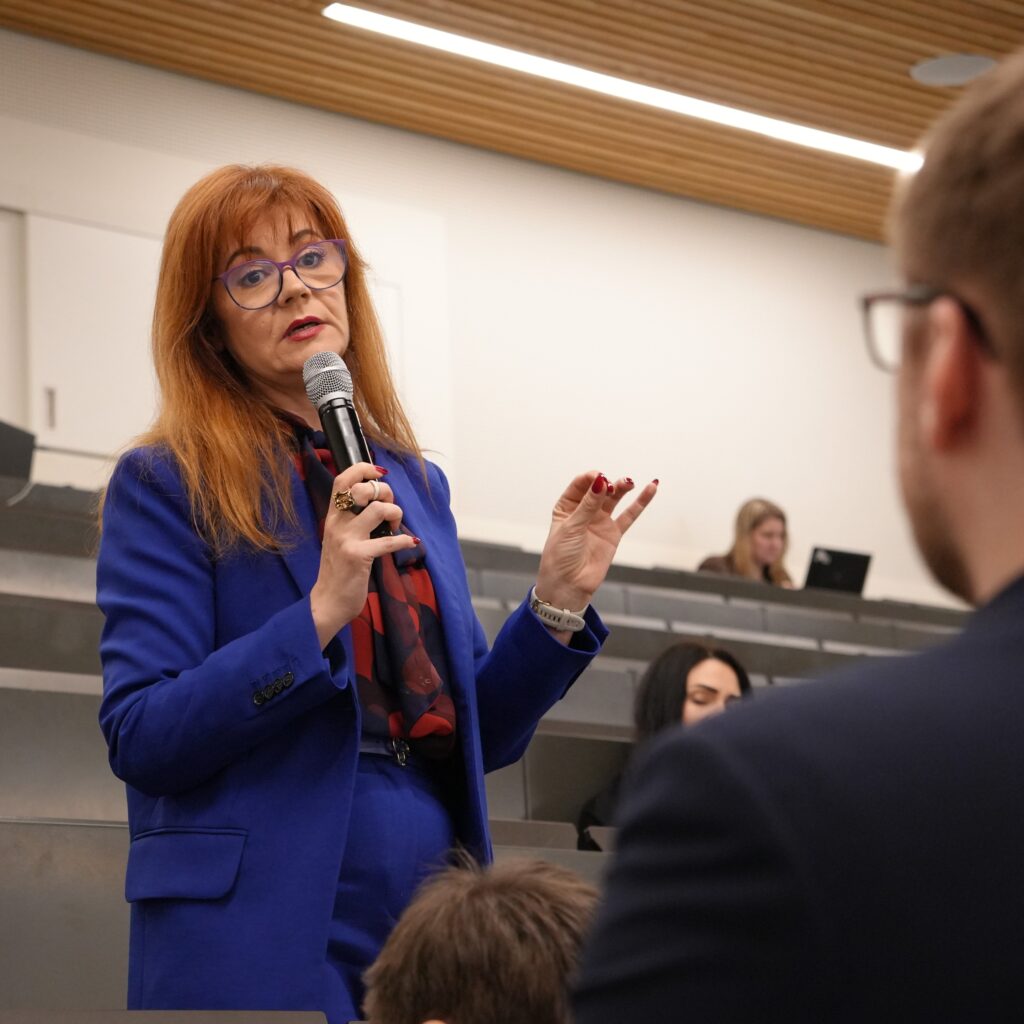
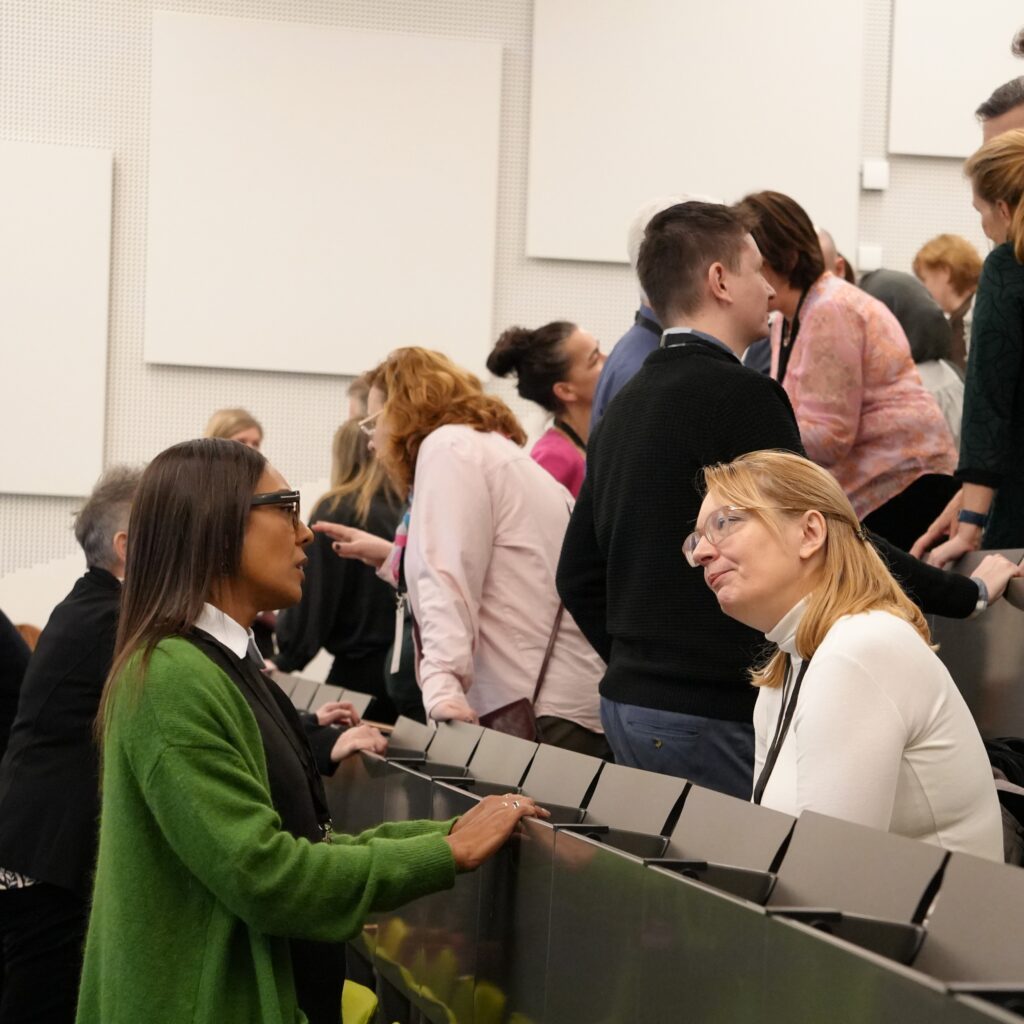
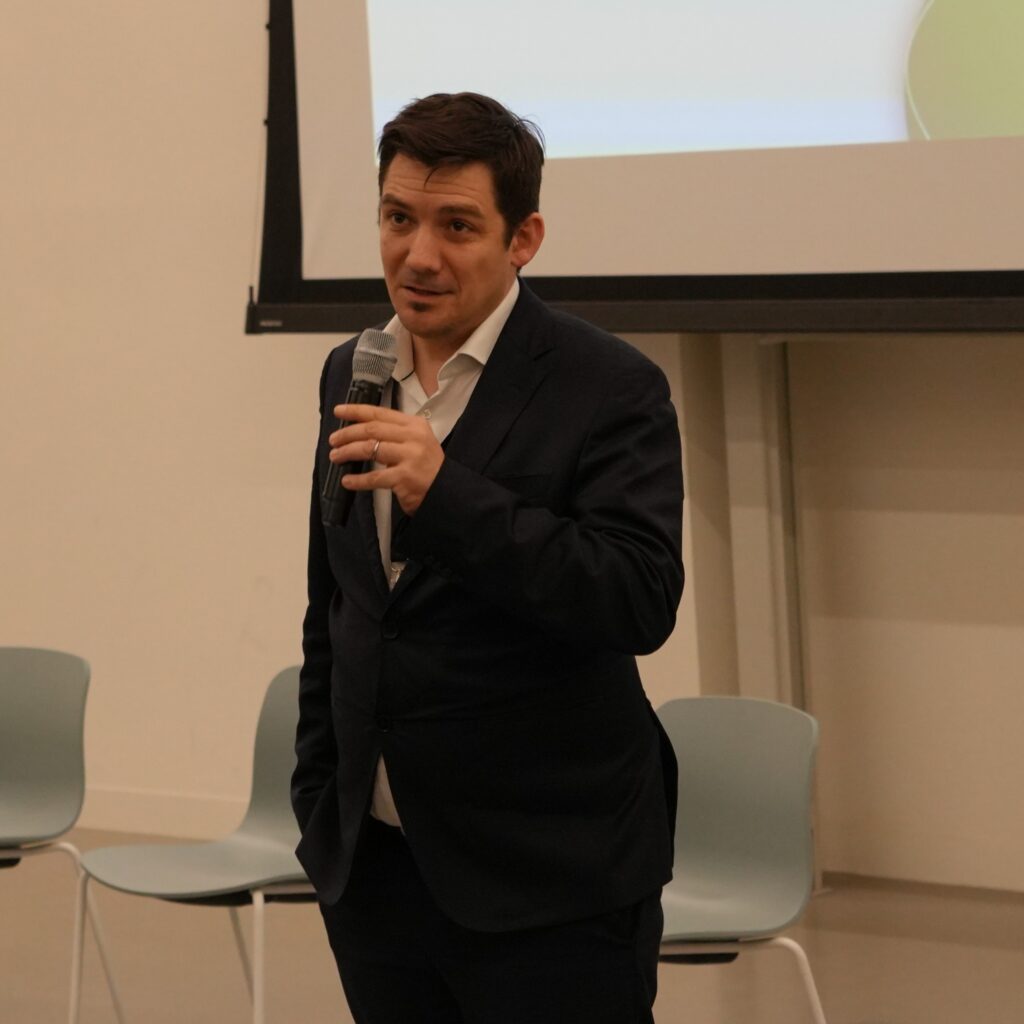
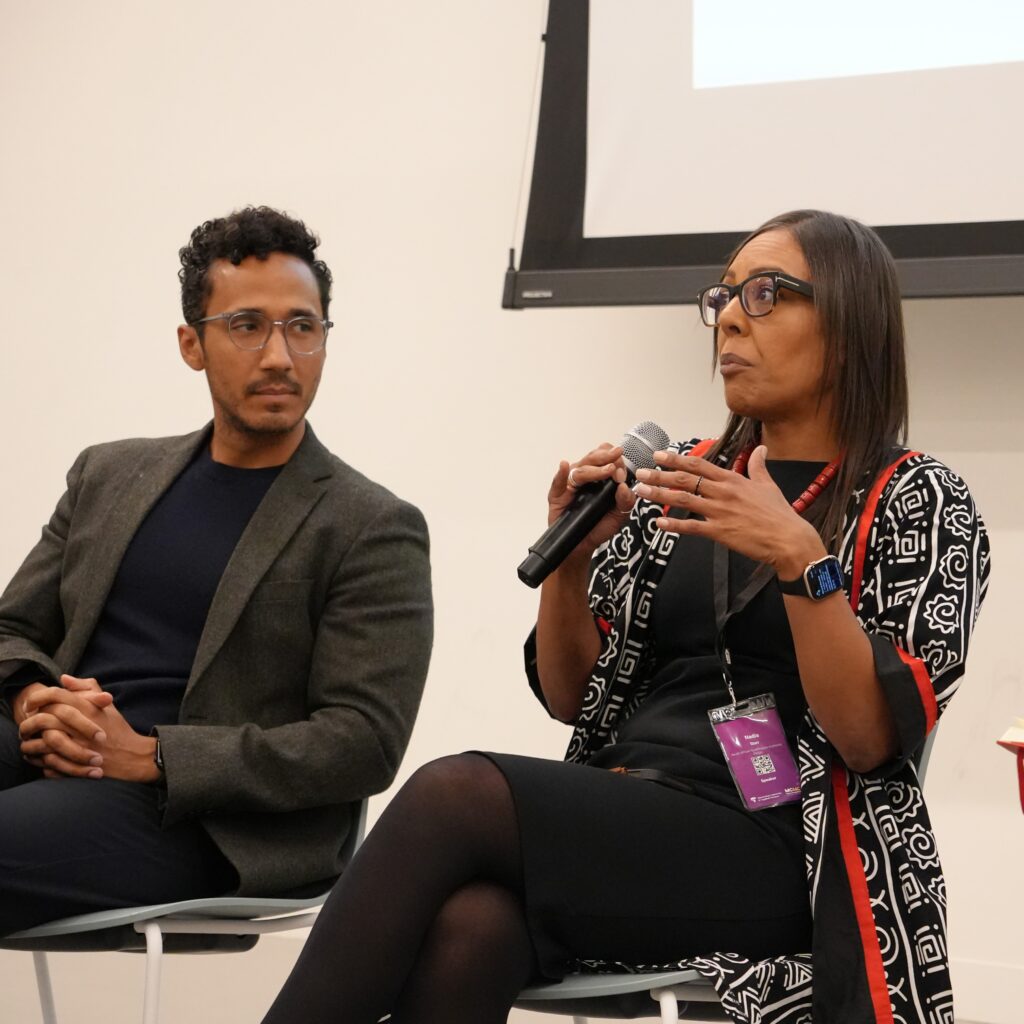
We co-organised our forth masterclass with the Amsterdam University of Applied Science, and with support from sponsors Velocert and QualityLink. MCMC 2026 took place on 24–26 February, at Amsterdam University of Applied Sciences (AUAS).
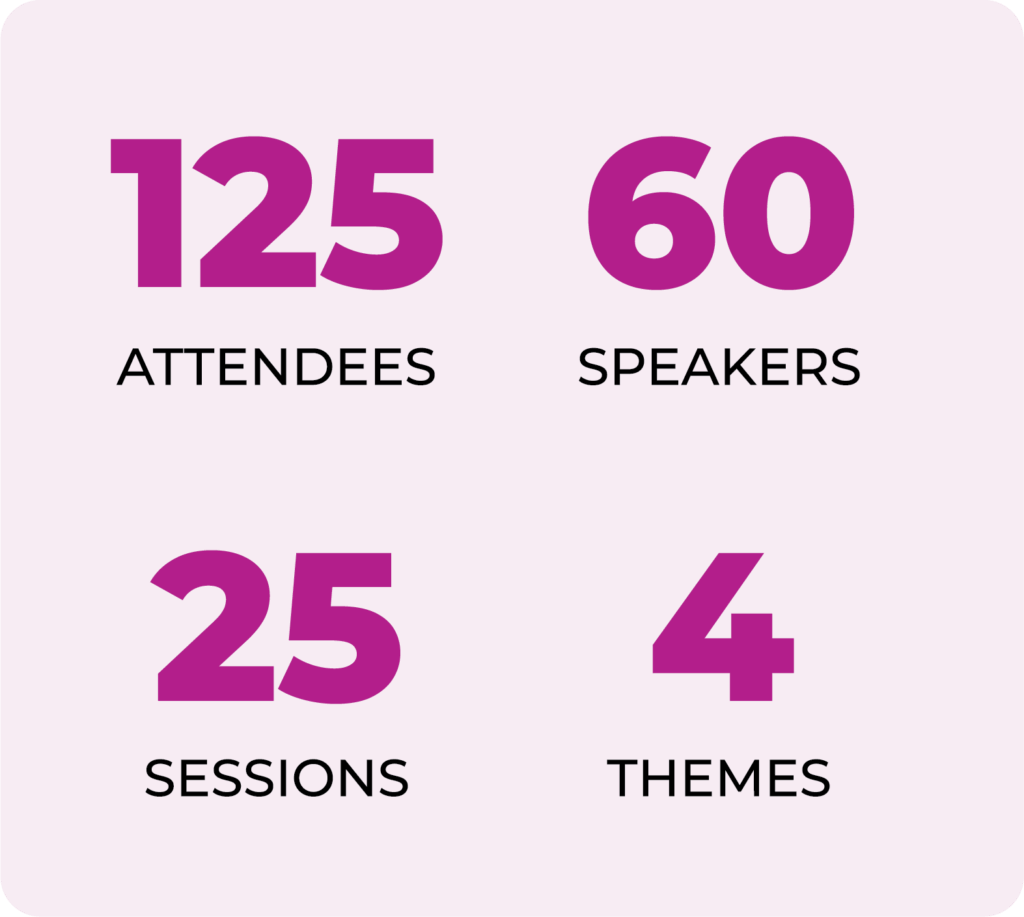
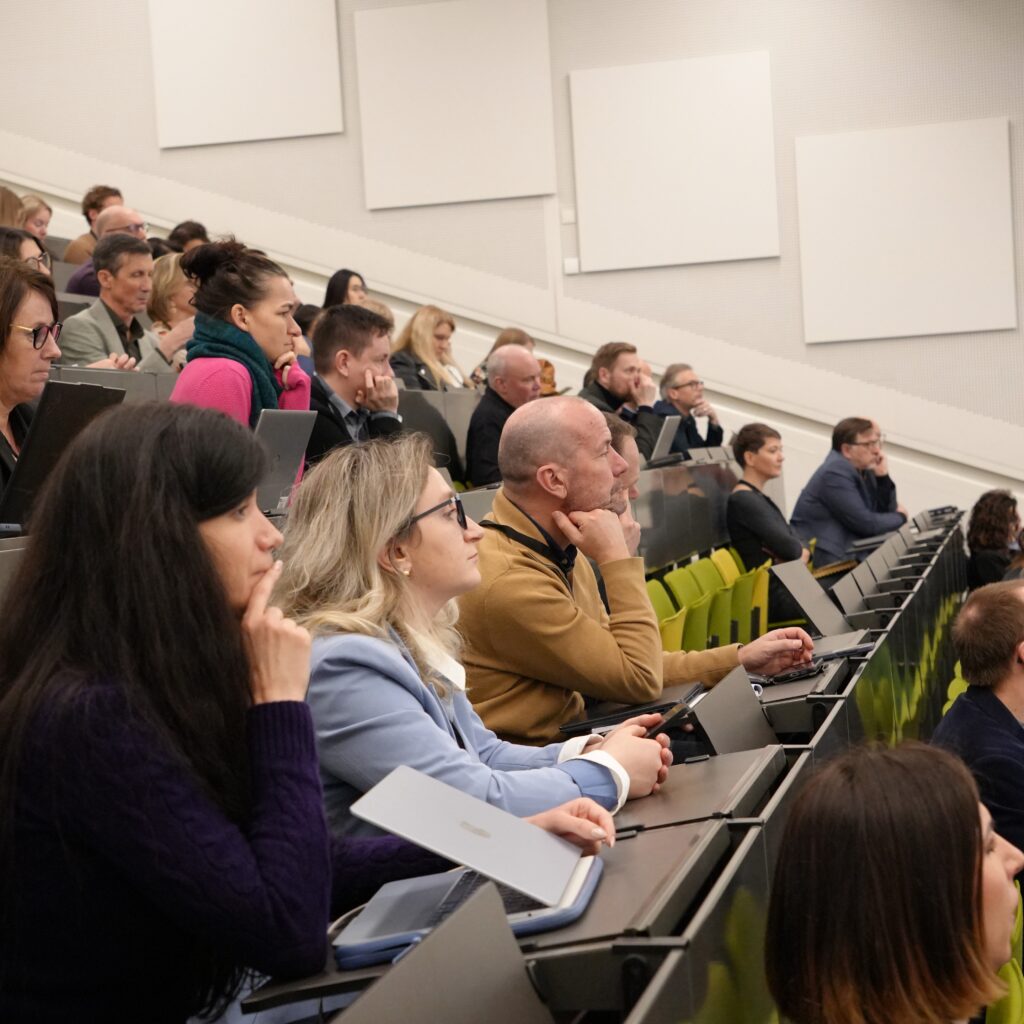
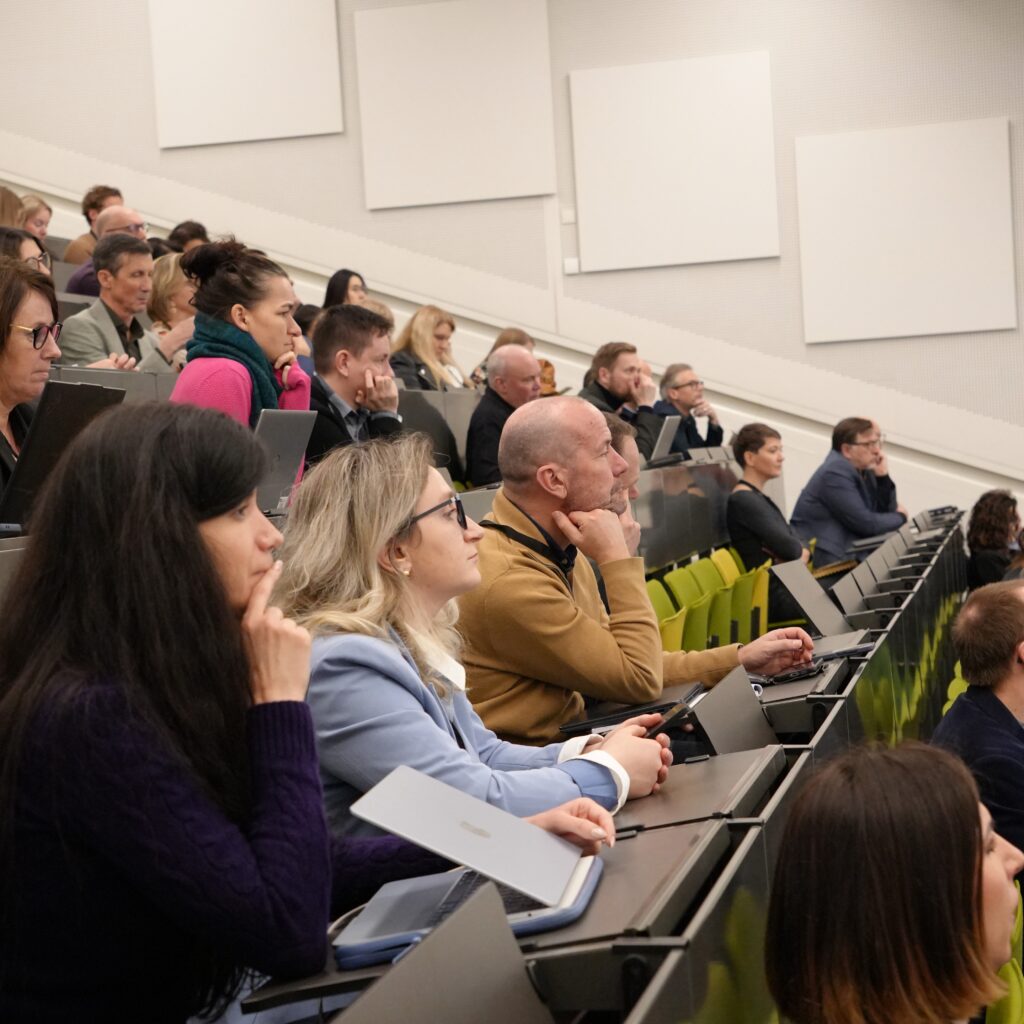
More than 120 professionals, policymakers and innovators joined us there. Together, we looked at how digital tools reshape micro-credentials, from design to delivery.
Get the MCMC 2026 magazine
The latest thinking on micro-credentials in education and the workplace, all in one place: Summaries from 50+ speakers across four thematic tracks, plus slides and recordings.
Were you there? It’s a handy recap. Weren’t you? It’s the next best thing – the magazine is your best preview of what’s coming.